Mohit Bainiwal
Echoes of Enlightenment: Embrace Serenity At Bodh Gaya
January 20, 2026
Introduction Cradled in the serene plains of the eastern state of Bihar, lies the sleepy village of Bodh Gaya. This rural hamlet is the spiritual axis of the Buddhist world. Over two millennia ago, un…
Introduction
Cradled in the serene plains of the eastern state of Bihar, lies the sleepy village of Bodh Gaya. This rural hamlet is the spiritual axis of the Buddhist world. Over two millennia ago, under the shade of a fig tree at this very site, Prince Siddhartha Gautam attained enlightenment and became the “Awakened One”, from that day onwards, he came to be known as the Buddha. The site has been designated as the Mahabodhi Complex. It is one of the four major pilgrimage sites related to the life of the Buddha-along with Lumbini (birth), Sarnath (first sermon), and Kushinagar (parinirvana). The Mahabodhi Temple has been designated as a UNESCO World Heritage Site.
Today, Bodh Gaya radiates timeless grace and hums with the peaceful vibrations of meditation, chanting, and prayer at the backdrop of the silent waters of the Phalgu river. Thousands of believers and spiritual seekers across the globe flock to this site to walk the path once tread upon by the Enlightened One. In Bodh Gaya, the distinction between past and present blurs, and every breath feels like a moment of awakening. The journey through Bodh Gaya and the Mahabodhi Temple Complex is not just about visiting monuments. It’s about understanding why this place remains the heartbeat of Buddhism, how it embodies peace, and how even a brief visit can become a transformative experience. With meticulous itineraries and excellent travel solutions by Buddhist Tour, you can expect a seamless travel experience.
History & Importance
To understand the history of Bodh Gaya is to trace the very soul of Buddhism. Over 2,500 years ago, a prince turned ascetic named Siddhartha Gautam renounced all the luxuries of his royal life and embarked on the journey of truth. His travels brought him to the banks of the Falgu River near the small hamlet of Uruvela (present day Bodh Gaya. Once he arrived here, Siddartha began meditating beneath a Bodhi Tree. For seven weeks, he meditated through storms, temptations, and inner turmoil until enlightenment dawned. That transformation turned a wandering prince into a spiritual teacher whose path reshaped human consciousness.
This moment of enlightenment transformed Bodh Gaya as the spiritual epicentre of Buddhism. Today, it is revered across the world as the bedrock of faith. Every Buddhist pilgrimage eventually leads to this sacred ground, as it marks the spot where ignorance gave way for wisdom and liberation.
Evidence of the earliest structures at Bodh Gaya can be traced back to the reign of Mauryan Emperor Ashoka. Ashoka was deeply moved by the teachings of the Buddha. After the brutal bloodshed of the Kalinga war. He embraced Buddhism. He visited Bodh Gaya around 260 BCE and commissioned the construction of a shrine and the Vajrasana (Diamond Throne) a polished sandstone platform which marked the exact spot where Buddha attained enlightenment and symbolized the indestructible seat of knowledge. He also planted a Bodhi Tree sapling, which many believe is the direct descendant of the original tree. The tree was replanted in the 19th century from a sapling taken to Sri Lanka by Sanghamitta, Ashoka’s daughter, centuries earlier. This act of devotion marked the beginning of the Mahabodhi Complex as a pivotal pilgrimage site.
Gradually, Bodh Gaya emerged as a hub of learning, attracting monks, scholars, and pilgrims from across Asia. During the reign of the Guptas, the iconic Mahabodhi Temple was constructed. The temple is at the heart of the complex, and is one of the oldest brick temples in India. Its architecture reflects the influences of Gupta art. It is known for its soaring pyramidal spire, intricately carved niches, and a statue of Buddha in a meditative pose. The temple represents the Buddhist idea of the universe-the upward structure of the temple symbolizes the ascent from ignorance to ultimate wisdom.
Buddhism gradually declined in India after the 12th century due to invasions. For centuries, the Mahabodhi Temple remained in ruins, its sacred silence broken only by the chants of a few devoted monks. The revival of the structure began in the 19th century, led by Anagarika Dharmapala of Sri Lanka, founder of the Maha Bodhi Society. His tireless efforts, aided by global Buddhists and scholars-led to the restoration of the temple and the reestablishment of Bodh Gaya as a living center of Buddhism. In 1953, the Maha Bodhi Temple was reopened for worship, and in 2002, UNESCO recognized the Mahabodhi Temple Complex as a World Heritage Site, cementing its status as one of humanity’s most sacred spaces.
Today, Bodh Gaya is renowned as the spiritual capital of the Buddhist world, welcoming millions of pilgrims and seekers annually. The air reverberates with the sound of “Om Mani Padme Hum”, and the sight of saffron-clad monks meditating beneath the Bodhi Tree evokes a timeless connection to the Buddha’s presence. Buddhist monasteries representing Theravada, Mahayana, and Vajrayana traditions from Thailand, Myanmar, Bhutan, Japan, Vietnam, Sri Lanka, Tibet, and others have been established across Bodh Gaya. Each monastery reflects its nation’s architectural and cultural expression-Thai stupas, Japanese meditation halls, Tibetan prayer wheels-yet all share the same spiritual pulse: reverence for the Buddha’s awakening.
Things to Do in Bodh Gaya
Every activity at Bodh Gaya becomes a ritual and an offering for the divine. Here are few experiences designed for travellers.
1. Meditate Beneath the Bodhi Tree
This is one of the most crucial highlights of the pilgrimage. Monks from countries like Thailand, Sri Lanka, Tibet, and Japan chant in their native tongues in what emerges as a melodious chorus of global devotion.
2. Circumambulate the Mahabodhi Temple
For centuries, pilgrims have been participating in an act named as the pradakshina, the ancient ritual of walking mindfully around the Mahabodhi Temple and the Bodhi Tree in a clockwise direction. This is not a mere act of devotion; it is a symbolic pilgrimage mirroring the Buddha’s own path from ignorance to enlightenment. pradakshina literally means “to go to the right side,” signifying reverence and auspiciousness.
In Buddhist tradition, the right side of the body is considered the pure side, hence devotees walk with the sacred object to their right, maintaining constant awareness of its spiritual significance. Every step around the Mahabodhi Temple is taken with mindfulness, humility, and an aspiration to cultivate wisdom and compassion. The act of circumambulation becomes a moving meditation. Each step represents a conscious moment of letting go, of ego and desires. The circular motion symbolizes the Wheel of Dharma (Dharmachakra), reminds practitioners that enlightenment is a continuous process.
Pilgrims perform Pradakshina in various ways, reflecting the diversity of Buddhist traditions:
- Walking Pradakshina: It is performed with palms folded in anjali mudra, while mentally focusing on the Buddha’s enlightenment and spreading goodwill to all beings.
- Full-body Prostration Pradakshina: It is practiced mainly by Tibetan Buddhists, it involves taking a step, lying full-length on the ground in reverence, rising, and repeating.
- Silent or Chanting Circumambulation: Some devotees maintain noble silence; others softly chant the Three Refuges or the Buddha Vandana.
3. Visit the Vajrasana (Diamond Throne)
Vajrasana is the sandstone seat where the Buddha meditated. Pilgrims bow, place flowers, or sit silently before it. This is an act of deep recognition-the acknowledgment of human potential for awakening. Thousands of monks and believers from across the world come to sit before it, often spending hours or days in silent contemplation. For many, meditating near the Vajrasana is considered a life-altering experience, leading to a direct communion with the spiritual energy that once illuminated the Buddha’s mind. Pilgrims perform prostrations and Pradakshina around the Vajrasana and Bodhi Tree, offering flowers, butter lamps, and incense. During special occasions such as Buddha Purnima, the Vajrasana becomes the center of elaborate rituals, chanting, and global Buddhist gatherings. Monks from various traditions-Theravada, Mahayana, and Vajrayana chant in unison around it, symbolizing the unity of the Buddhist world anchored in this single sacred point.
- Explore the Monasteries of the World
Within just a few square kilometers around the Mahabodhi Temple lie more than fifty monasteries and temples, each radiating a unique cultural expression. These monasteries are living spiritual centers where prayer, meditation, and daily rituals take place. Every monastery in Bodh Gaya tells a story of transnational faith. Exploring them offers travelers a deep insight into the diversity and unity of the global Buddhist world.
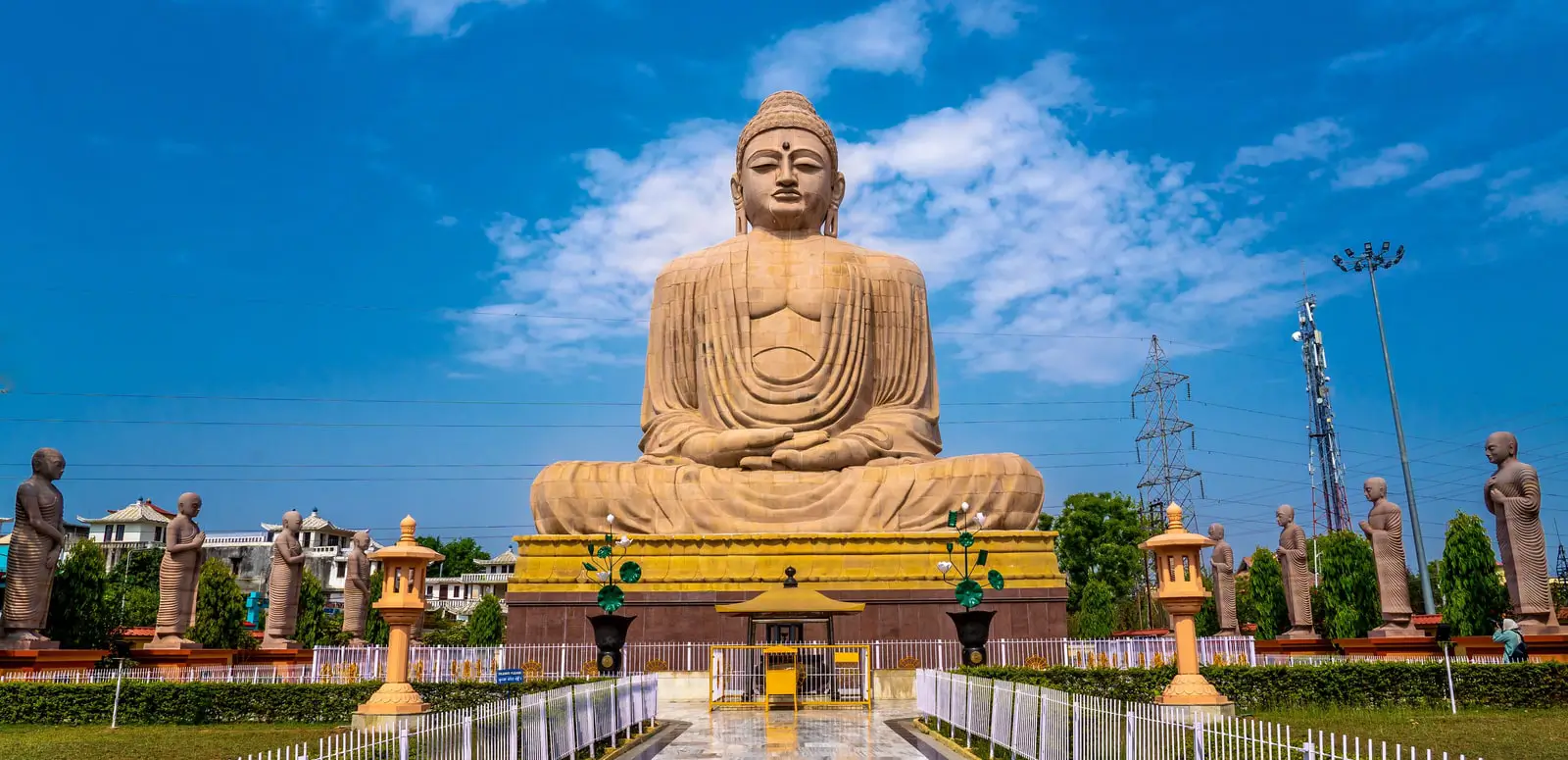
- Thai Monastery-The Wat Thai Bodh Gaya, built by the Thai government and Buddhist monks in 1956, emerges as with its gleaming gold-tipped spires and multi-tiered roofs reminiscent of Bangkok’s royal temples. A gigantic statue of the seated Buddha is placed here. Daily chanting sessions are open to travelers, and the calm environment offers a glimpse of how the Thai Sangha interprets the Middle Path through quiet discipline and compassion.
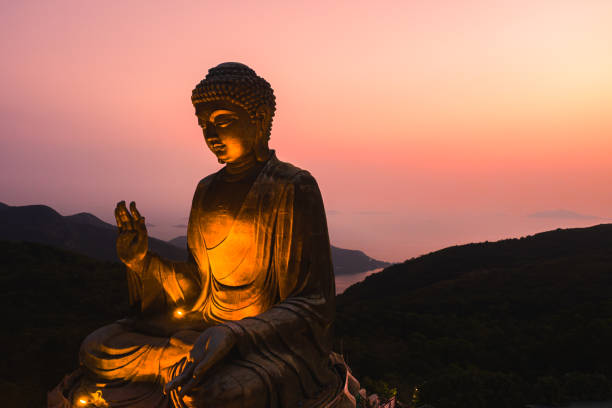
- Royal Bhutan Monastery- This monastery is built in the Himalayan Dzong style, it is known for its thick white walls, carved wooden windows, and red-ochre bands beneath golden rooftops. Inside the monastery stands a large bronze statue of Buddha Shakyamuni, surrounded by murals depicting the Twelve Great Deeds of the Buddha.
- Tibetan Monasteries-The Tibetan monasteries in Bodh Gaya, such as the Tergar Monastery, Namgyal Monastery, and the Tibetan Karma Temple reflect the principles of the Vajrayana tradition.
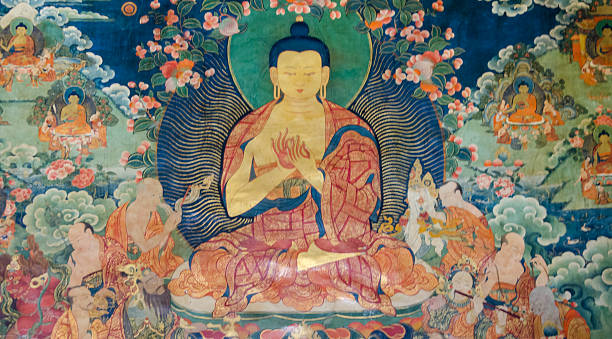
- Tergar Monastery- This monastery was founded by the meditation master Yongey Mingyur Rinpoche. Every year, it draws thousands of international students for meditation retreats. Its vast assembly hall, adorned with intricate thangka paintings and mandalas, often hosts teachings by the Karmapa himself.
- The Namgyal Monastery- This monastery is an extension of the Dalai Lama’s personal monastery in Dharamshala. Visitors can witness traditional debates, butter-lamp offerings, and recitations of the Heart Sutra in resonant unison.
- Japanese Monastery and Indosan Nippon Temple: This monastery was built in 1972 by the Indosan Nippon Buddhist Association. It is known for its sloping tiled roof, wooden interiors, and landscaped garden with a stone Buddha evoke Kyoto’s tranquil temples. There is a large meditation hall which welcomes travelers for silent sittings.
- Myanmar (Burma) Monastery: The Myanmar Monastery was established in 1936 and features a gilded pagoda patterned after Yangon’s famous Shwedagon Pagoda. Its delicate ornamentation and rhythmic bells create a sensory journey into Burmese devotion.
- Sri Lankan Monastery-The Sri Lanka Mahabodhi Society Monastery is one of the oldest international monasteries in Bodh Gaya. It continues the legacy of Anagarika Dharmapala, the reformer who helped revive the Mahabodhi Temple in the late nineteenth century.
- Vietnamese, Chinese, and Korean Monasteries-Bodh Gaya also houses monasteries built by Vietnam, China, and Korea, each reflecting their Mahayana heritage.
- Visit Sujata Kuti and the Dungeshwari Caves
Located at the banks of the Falgu River is Sujata Kuti, where Sujata, a village girl, offered milk-rice to the famished Siddhartha before his enlightenment. This simple act of compassion by the girl, reminded the Buddha of the Middle Path-neither indulgence nor denial. The nearby Dungeshwari Caves, where he practiced austerities, are another vital stop for pilgrims retracing the Buddha’s journey.
6.Witness the Evening Illumination
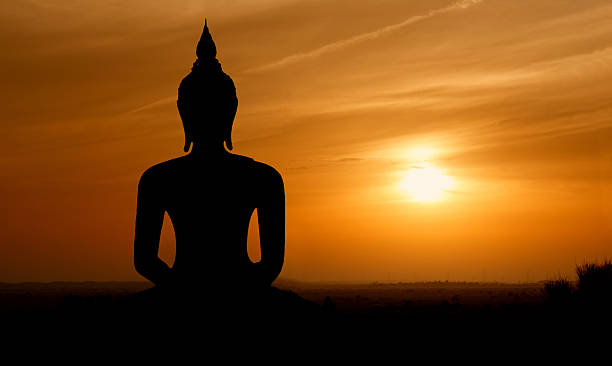
As the evening deepens, the Mahabodhi Temple glows softly with lamps and butter lights. The tree leaves shimmer, and devotees sit in silent silhouettes. This is Bodh Gaya at its most ethereal-an amalgamation of light, devotion, and stillness.
Best Time to Visit Bodh Gaya
Bodh Gaya can be visited year-round, but for pilgrims and meditators, October to March is the most pleasant period. The weather remains cool and conducive to long hours outdoors and under the Bodhi Tree.
- Monsoon (July–September): Lush and quiet but humid; fewer tourists mean deeper solitude.
- Winter (October–March): Ideal weather, coinciding with major Buddhist gatherings like Buddha Purnima and Kagyu Monlam, attracting global participation.
Traveller Tips
- Dress Modestly: Cover shoulders and knees. Carry light cotton clothes in summer, layers in winter.
- Silence as Respect: The temple complex is a meditation zone, avoid loud conversation or music.
- Photography Etiquette: Check for signs before photographing; refrain from flash or intrusive behaviour near meditators.
- Footwear Rules: Shoes must be removed before entering temple grounds.
- Offer Mindfully: Donations to monasteries and temple trusts support upkeep. Give consciously, as per your wishes.
- Stay Close to the Temple: Lodges, guesthouses, and monasteries nearby allow early morning meditation access.
- Carry Essentials: Water bottle, sunscreen, mosquito repellent, and a scarf for modesty.
- Respect the Bodhi Tree: Avoid touching or stepping near roots; soil compaction threatens its health.
- Observe Monastic Customs: When visiting monasteries, bow slightly and avoid interrupting rituals.
- Travel Sustainably: Use refillable bottles, avoid littering, and support local vegetarian eateries.
How to Reach Bodh Gaya
- By Air: The nearest airport to Bodh Gaya is the Gaya International Airport (12 km from town), with direct flights from Delhi, Kolkata, and seasonal connections to Thailand and Myanmar. Patna Airport, about 115 km away, offers wider domestic access.
- By Train: Gaya Junction, one of Bihar’s busiest stations, links to Delhi, Kolkata, Varanasi, and Patna. From there, taxis and autos reach Bodh Gaya in 20 minutes.
- By Road: Buses and taxis operate regularly from Patna, Rajgir, and Nalanda. Private cabs offer flexibility for monastery-hopping and nearby excursions.
Responsible Pilgrimage
As tourism grows in the region, so does the need for mindful travel. The Mahabodhi Temple authorities and UNESCO emphasize on the principles of sustainable pilgrim conduct. Limit noise, avoid plastic, and respect the meditation zones. By traveling consciously, you preserve the sanctity of the place where the Buddha once attained enlightenment. Support handicraft cooperatives run by local women, and choose lodgings that respect eco-standards. Pilgrimage, at its purest, is reciprocity.
Conclusion
Bodh Gaya is not just a destination; it’s a state of being. The Mahabodhi Temple is not merely stone and sculpture; it’s structure embodies enlightenment itself. It is a reminder that peace begins in awareness.
Journey Beyond Time, to the Heart of Awakening
Ready to deepen your Buddhist pilgrimage in Bodh Gaya? Visit BuddhistTour.com today to explore guided tour options tailored for meaningful spiritual travel. Join a community of seekers walking the path of awakening.